
A design assistant in renovation is a professional who supports the design process by handling research, project coordination, material selection, and communication tasks to keep projects on track. In industry terms, this role is formally called an interior design assistant, though homeowners often encounter it under broader labels like renovation coordinator or design support specialist. The role of design assistant in renovation has grown significantly as projects have become more complex, budgets tighter, and homeowner expectations higher. At The Kitchen, Bathroom & Flooring Store, personalized design assistance is built into every remodeling package, recognizing that renovation project support is not a luxury. It is what separates a smooth project from a stressful one.
Design assistants handle a wide range of tasks that fall into two broad categories: creative support and operational coordination. Understanding both is the key to knowing what you are actually hiring.
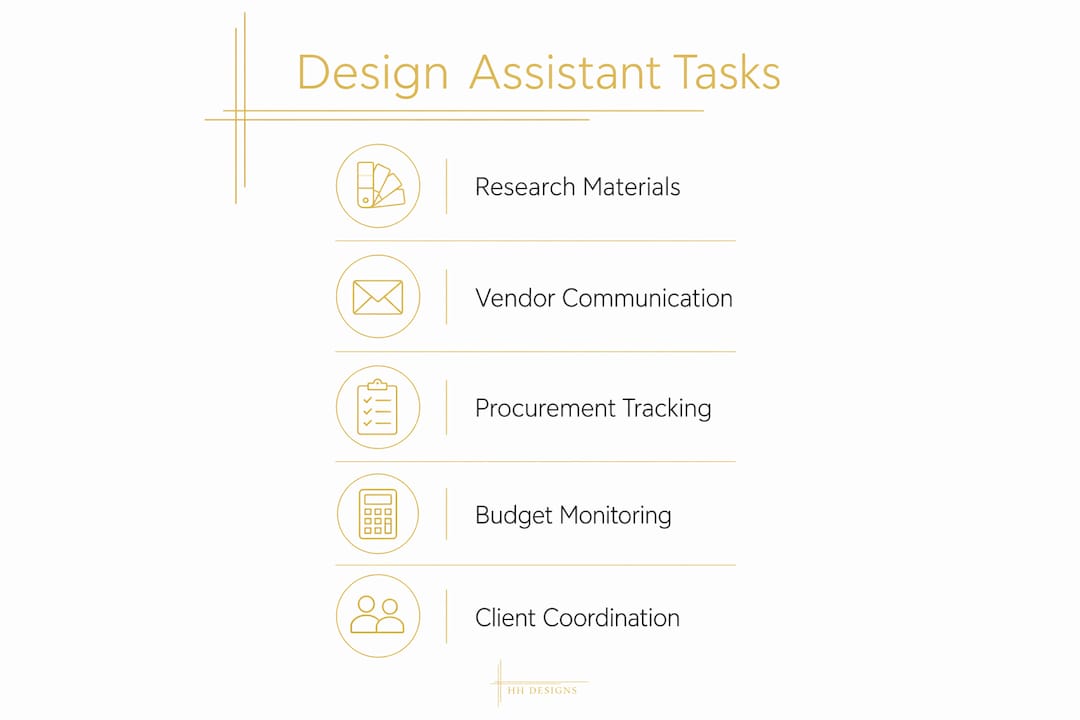
On the creative side, design assistant responsibilities include researching materials, sourcing product options, preparing mood boards, and drafting layout sketches. These tasks translate your vision into concrete choices before a single tile is ordered. On the operational side, design assistant duties cover vendor communication, procurement tracking, delivery scheduling, and budget monitoring. Workflow mastery is the standard by which effective assistants are measured, meaning they handle procurement, tracking, and scheduling without requiring constant homeowner oversight.
Here is a breakdown of the core tasks a design assistant manages:
Vendor relationship management prevents shipment delays, and documentation of decisions is critical for project success. A missing confirmation email or an undocumented substitution can set a project back by weeks.
Pro Tip: Ask any design assistant candidate to describe how they track open vendor orders. If they cannot give you a specific system, their operational skills may not match their creative ones.

The clearest benefit is budget protection. 39% of homeowners exceed their renovation budget, and the renovation industry is estimated at $574 billion annually. That statistic means budget overruns are the norm, not the exception. A design assistant who monitors costs weekly catches problems while they are still correctable.
Beyond budget control, a design assistant acts as a trusted third party who balances your vision with construction realities. As one renovation advisory perspective puts it, the assistant bridges homeowner vision with the technical constraints contractors face on site. That balance prevents the common scenario where a homeowner selects materials that look great in a showroom but create installation problems in the field.
“Renovation support services act as a safety net, preventing costly rework by reviewing plans and answering key contractor questions mid-construction.” — Mid-Construction Renovation Support
Scheduling delays and communication gaps are the two most cited pain points in home renovation. A design assistant addresses both directly. They maintain a single source of truth for all project decisions, so contractors are not waiting on answers and homeowners are not blind sided by last-minute changes. Structured milestone checkpoints give homeowners control at key decision points without requiring them to manage every detail in between.
The role varies significantly: some assistants are project coordinators managing logistics and vendors, while others are drafting specialists who require proficiency in design software like AutoCAD or SketchUp. Choosing the wrong type for your project is a common and costly mistake.
Engagement models also vary widely. Homeowners can access design assistant support through three main formats:
On pricing, renovation consultancy support plans range from email coaching at $45 per week to weekly guidance at $110 per week and premium hands-on support at $495 per week. Plans typically span three months with extensions available. That range means there is a model for nearly every project size and budget.
Some government programs also subsidize renovation support costs. Specialized renovation support services typically cost between €2,000 and €3,500, with subsidies covering up to €2,000 for qualifying households. While these programs are region-specific, they signal a broader recognition that professional renovation guidance has measurable value.
To choose the right model, match the engagement type to your own availability and project complexity. A large kitchen and bathroom renovation benefits from weekly hands-on support. A single-room refresh may only need email coaching to keep decisions on track.
The homeowners who get the most from a design assistant are the ones who prepare before the first meeting. Showing up with a clear sense of your priorities, a rough budget range, and a folder of inspiration images cuts the discovery phase in half and gets the project moving faster.
Follow these steps to set up a productive working relationship:
Common pitfalls include waiting too long to approve material selections, which pushes delivery dates and delays contractors. Another frequent issue is assuming the assistant knows your preferences without being told. Design assistants are skilled at reading briefs, but they are not mind readers. The clearer your input, the better the output.
Pro Tip: Before your first meeting, pull three images of spaces you love and three you dislike. Showing what you do not want is often more useful than describing what you do.
A design assistant is the operational and creative engine that keeps renovation projects on budget, on schedule, and aligned with your vision.
| Point | Details |
|---|---|
| Core responsibilities | Design assistants handle material research, vendor communication, procurement tracking, and budget monitoring. |
| Budget protection | 39% of homeowners exceed their renovation budget; a design assistant monitors costs weekly to catch overruns early. |
| Role variations | Some assistants focus on creative drafting; others specialize in project coordination. Match the type to your project needs. |
| Engagement models | Support plans range from $45 per week for email coaching to $495 per week for premium hands-on guidance. |
| Homeowner collaboration | Set clear goals, agree on communication channels, and use milestone checkpoints to stay in control without micromanaging. |
Most homeowners hire a design assistant expecting creative help. They want someone to pick the right tile, suggest a paint palette, and make the space look polished. That is a real part of the job. But after working through enough renovation projects, I have come to believe the operational side is where design assistants actually earn their value.
The creative decisions in a renovation take hours. The logistics take months. Tracking which cabinet order is still pending, following up with a tile supplier who missed a delivery window, and making sure the contractor has the correct specifications before they start cutting. These are the tasks that determine whether a project finishes on time and on budget. A design assistant who is strong on workflow and vendor management will save you more money than one who is exceptional at mood boards but disorganized on follow-through.
The trend toward milestone-based support is one of the most practical shifts I have seen in the industry. Rather than hiring someone to manage everything continuously, homeowners now have access to structured check-ins at key decision points. That model respects your autonomy while giving you expert input exactly when the stakes are highest.
My advice for finding the right fit: ask candidates how they handle a supplier who goes quiet two weeks before a scheduled delivery. Their answer tells you everything about whether they are truly prepared for the operational realities of renovation work.
— Anna
The Kitchen, Bathroom & Flooring Store builds design assistance directly into every remodeling package, so you never have to coordinate between separate contractors, designers, and suppliers on your own.
Whether you are planning a full kitchen renovation package or a complete bathroom remodel, our team handles material selection, installation, and project coordination from start to finish. We also offer flexible financing options to help you manage your renovation budget without surprises. Visit our Jacksonville showroom or reach out to our team to talk through your project goals and find the package that fits your home and your timeline.
A design assistant handles material research, vendor communication, procurement tracking, budget monitoring, and client-contractor liaison. Their goal is to keep the project moving without requiring the homeowner to manage every detail.
An interior designer leads the creative vision and makes high-level design decisions. A design assistant supports that process by executing research, coordination, and administrative tasks that keep the project on track.
Support plans range from $45 per week for email coaching to $495 per week for premium hands-on guidance, with most plans spanning three months. Some government programs offer subsidies for qualifying households.
Hire a design assistant before materials are ordered and contractors are scheduled. Early involvement allows the assistant to catch specification errors and budget risks before they become expensive problems.
Yes. Virtual design assistants manage coordination, vendor follow-ups, and documentation entirely remotely using video calls, email, and shared project management tools. Hybrid models that combine remote work with scheduled site visits are also widely available.